

9 Things Every Business Owner Should Know About Their Commercial Door
A business door does more than provide an entry and exit point. It can influence security, energy efficiency, accessibility, employee safety, and the daily flow of customers and deliveries. Choosing the right commercial doors and keeping them in good condition can help prevent unnecessary disruptions while protecting the property and the people inside it.
Business owners also have to consider how their entrances fit the demands of their particular facilities. A retail store may prioritize appearance and customer access, while a warehouse may need durable doors that can withstand frequent use. Understanding the available options, security features, maintenance requirements, suppliers, and costs can make it easier to make a practical decision.
What Are the Different Types of Commercial Doors?
Commercial doors are available in a wide range of materials, designs, and configurations. The best choice depends on where the door will be installed and what demands it will face.
Steel doors are a common choice for businesses that prioritize durability and security. They can withstand substantial daily use and provide a strong barrier between the interior of a building and the outside environment. Steel may be particularly useful for service areas, warehouses, utility rooms, and other locations where appearance is less important than strength.
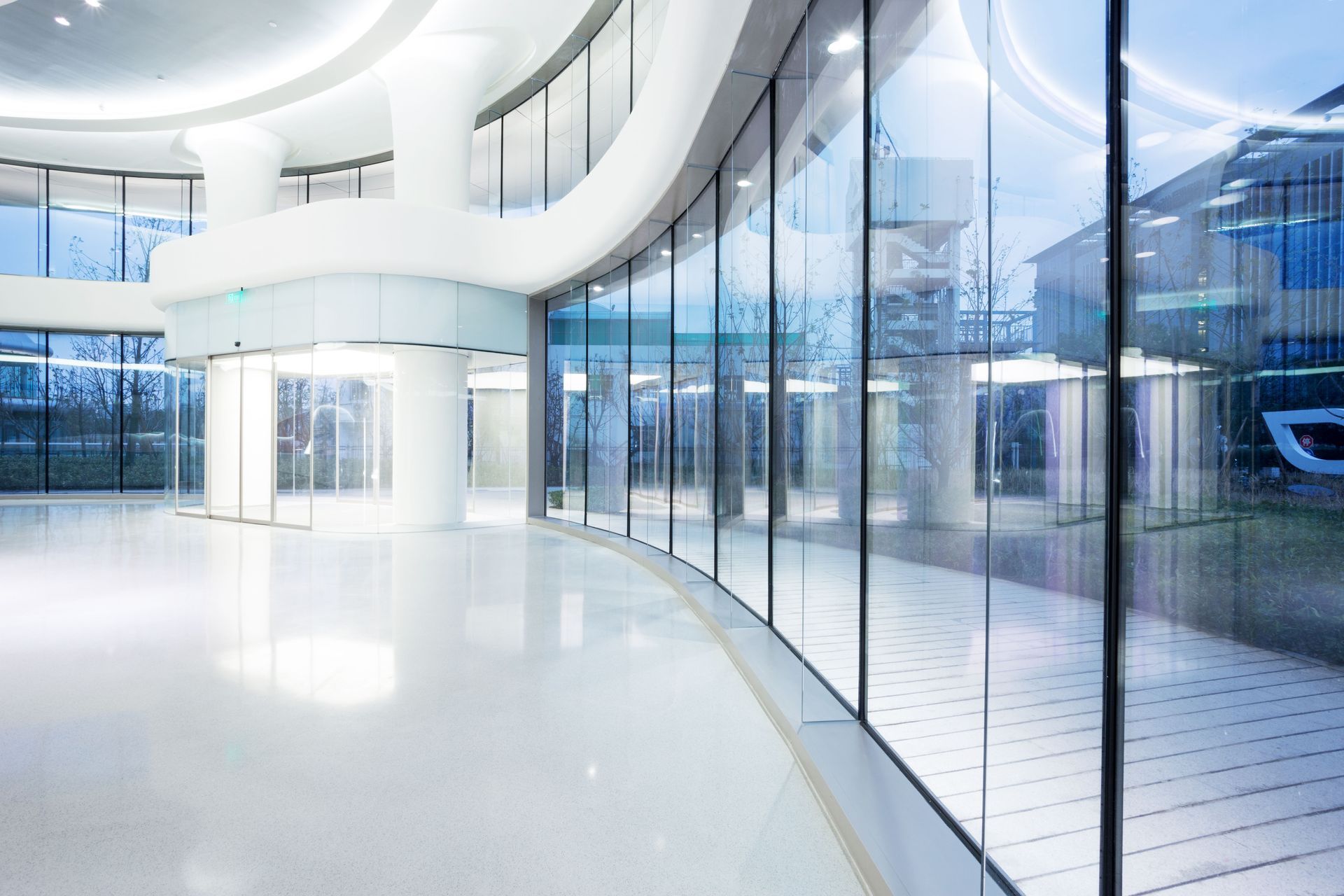
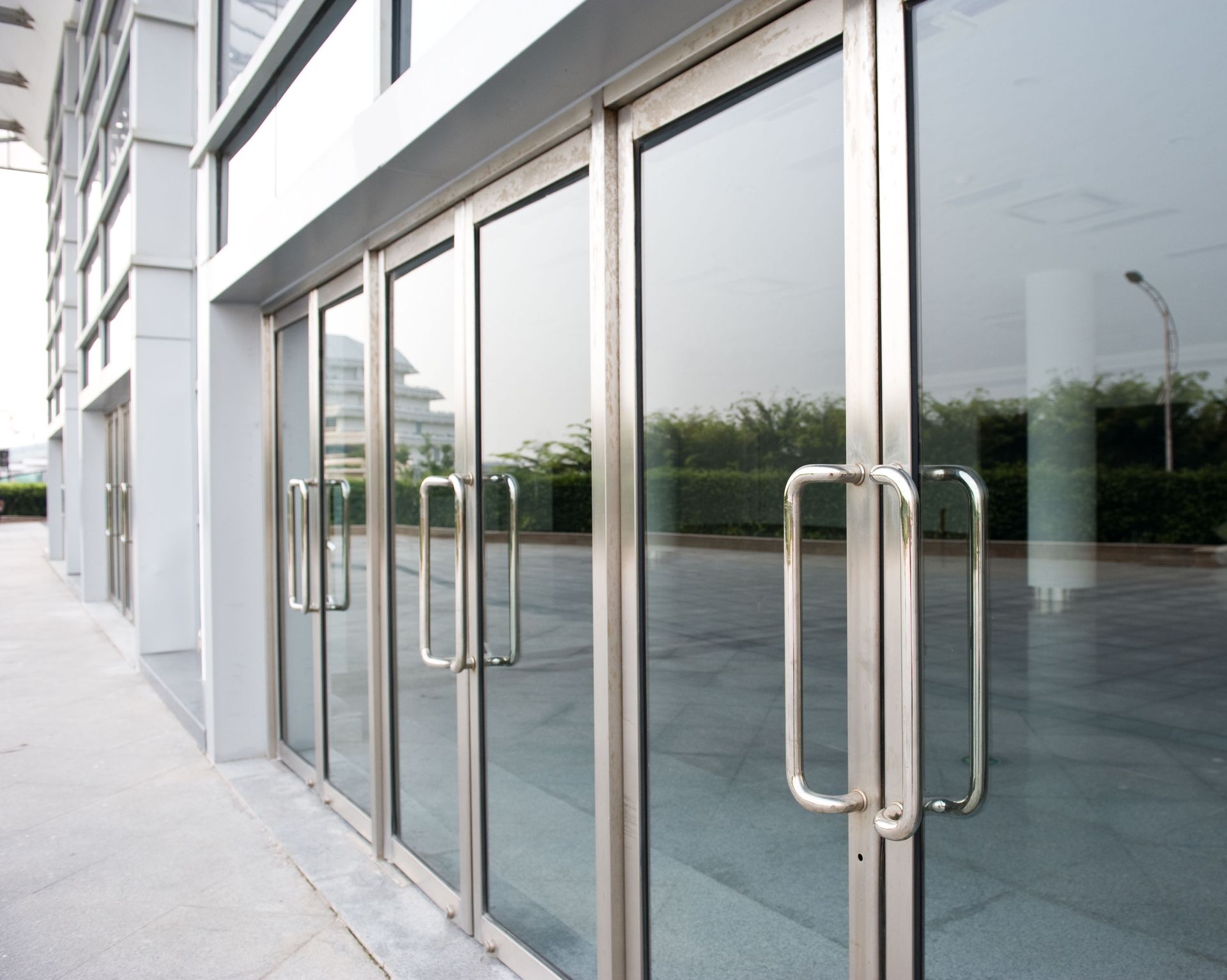
Glass doors offer a different combination of benefits. They can allow natural light into a building while giving customers a clear view of the business. Many retail stores, offices, and professional facilities use glass entrances because they create an open and welcoming appearance. Tempered or laminated glass can provide additional protection compared with standard glass.
Wood doors can offer a traditional or upscale appearance. They may work well in offices, restaurants, hotels, and other businesses where aesthetics are an important consideration. However, wood may require more attention to moisture, finishes, and general wear depending on the environment.
There are also specialized options, including automatic doors, fire-rated doors, insulated doors, and rolling doors. Business owners should consider traffic levels, building requirements, security needs, and accessibility before selecting a particular style.
How Can You Improve Commercial Door Security?
Security should be a central consideration when selecting commercial doors. A strong door may provide limited protection if its hardware or surrounding frame is inadequate.
Start with the locking system. Depending on the business, options can include traditional keyed locks, electronic access control, keypad systems, card readers, and other entry technologies. Businesses with employees who need different levels of access may benefit from electronic systems that allow access credentials to be added or removed as staffing changes.
The door frame and hinges also deserve attention. Reinforced frames and properly secured hinges can make it more difficult for an intruder to force an entrance. Strike plates and other hardware should be installed correctly and inspected periodically for damage or loosening.
Alarm systems and surveillance cameras can add another layer of protection. When combined with commercial doors equipped with appropriate locks and access controls, these systems can help businesses monitor entrances and identify unusual activity.
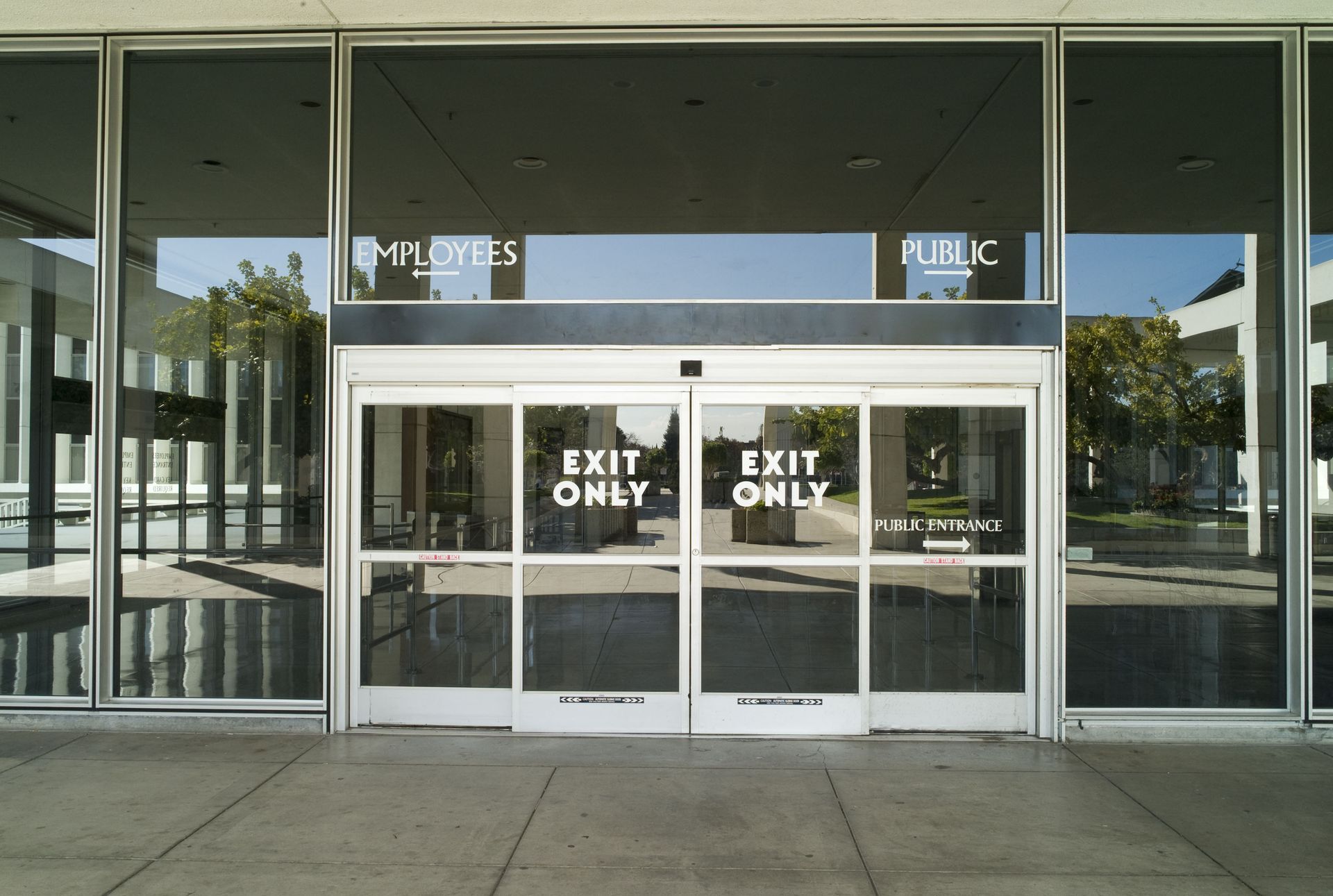
Security should not come at the expense of emergency access. Business owners should make sure security features comply with applicable fire and building requirements and do not prevent occupants from exiting when necessary.
What Maintenance Do Commercial Doors Require?
Even high-quality commercial doors require routine maintenance. Frequent opening and closing can gradually affect hinges, closers, locks, frames, seals, and other components.
Business owners should establish a regular inspection schedule. During an inspection, look for sticking, unusual noises, loose hardware, damaged seals, dents, cracks, and problems with alignment. A door that suddenly becomes difficult to open or close may be showing an early sign of a mechanical issue.
Moving components may require appropriate lubrication, while screws and other hardware may need tightening over time. Weatherstripping should also be checked because worn seals can allow drafts, moisture, and outdoor air to enter the building.
Automatic doors deserve particular attention because they contain mechanical and electrical components. Sensors should function correctly, and the door should open and close at the appropriate speed. Problems should be addressed promptly rather than allowing a minor issue to become a larger repair.
Regular maintenance can also help extend the service life of commercial doors. According to Research and Markets, increasing adoption of sensor-based technology is occurring alongside growing demand for hygienic, touchless, and energy-efficient entrances, while more than 28% of homeowners are undertaking renovation projects. These trends illustrate the broader interest in improving building entrances through technology, efficiency, and modernization.
How Do You Choose a Reliable Commercial Door Supplier?
The supplier you select can be just as important as the product itself. A reputable supplier should be able to explain the available options and help you identify a door that fits the building's requirements.
Start by researching the supplier's experience and product selection. Look for a company that works with the types of entrances used in your industry and can provide products appropriate for your facility. Reviews and references from other businesses can also provide useful information about reliability and customer service.
Installation is another important consideration. Poor installation can create problems even when the door itself is high quality. Ask whether installation is handled by trained professionals and what services are included in the quoted price.
You should also ask about warranties, replacement parts, repairs, and ongoing service. A supplier that can support the product after installation may be more useful than one focused only on completing the initial sale.
Communication matters, too. A supplier should be willing to explain differences between products, provide clear pricing, and answer questions about maintenance and expected service life. Avoid making a decision based solely on the lowest initial price.
What Costs Should You Consider?
The purchase price is only one part of the total cost of commercial doors. Business owners should also consider installation, hardware, maintenance, repairs, energy efficiency, and eventual replacement.
A less expensive door may appear attractive initially but could become costly if it requires frequent repairs or has a short service life. Conversely, investing in a durable door designed for heavy traffic may provide better long-term value even if the initial cost is higher.
Energy efficiency can also affect operating expenses. Doors that are poorly sealed or frequently left open can contribute to unwanted air exchange, potentially increasing heating and cooling demands. Insulated doors and automatic closing systems may help address these issues in appropriate applications.
Traffic volume should be considered as well. A door used dozens or hundreds of times each day needs to withstand substantially more wear than one serving a storage room with occasional access.
Business owners should request detailed estimates before purchasing commercial doors. Compare the products, hardware, installation services, warranty coverage, and expected maintenance rather than comparing the initial price alone.
Why Does Proper Door Selection Matter?
The right entrance can support several aspects of daily business operations at the same time. Commercial doors can help control access, protect employees and inventory, support customer convenience, and contribute to the appearance of a facility.
Choosing an appropriate door starts with understanding how the building is used. Consider traffic patterns, security requirements, weather exposure, accessibility, energy efficiency, and the type of activity taking place around each entrance.
It is also worth thinking about future needs. A growing business may eventually require electronic access control, automatic operation, higher traffic capacity, or other features. Planning ahead can prevent the need for premature replacement.
Commercial doors are an important part of a business property's security, functionality, and appearance. Selecting the right material and design can help a business accommodate its specific needs, while appropriate locks and other security features can provide greater protection.
Routine maintenance is equally important. Inspections, timely repairs, proper lubrication, and attention to automatic components can help prevent unexpected problems and extend the life of the door.
Finally, business owners should look beyond the initial purchase price. A reliable supplier, quality installation, durable materials, and reasonable long-term maintenance costs can all contribute to a better investment. By considering these factors before purchasing and maintaining commercial doors, business owners can create safer, more efficient, and more dependable entrances for years to come. If you're looking for a new door, contact CAC Door Systems Co. today!




Share On: