

Top 8 Commercial Door Upgrades in 2026
Commercial properties depend on doors for security, accessibility, energy performance, traffic flow, and daily convenience. As building technology continues to evolve, businesses have more options for improving entrances, loading areas, interior access points, and other high-use openings. Upgrading commercial doors can help property owners address aging hardware, improve safety, reduce unnecessary maintenance, and create a more efficient experience for employees, customers, and visitors. In 2026, many of the most practical improvements focus on automation, access control, durable materials, energy-conscious construction, and code compliance. Choosing the right upgrades requires considering how each opening is used, how frequently it operates, and what challenges the existing system creates. The following eight upgrades can help businesses modernize their properties while preparing door systems for changing operational needs.
1. Adding Automatic Door Operators
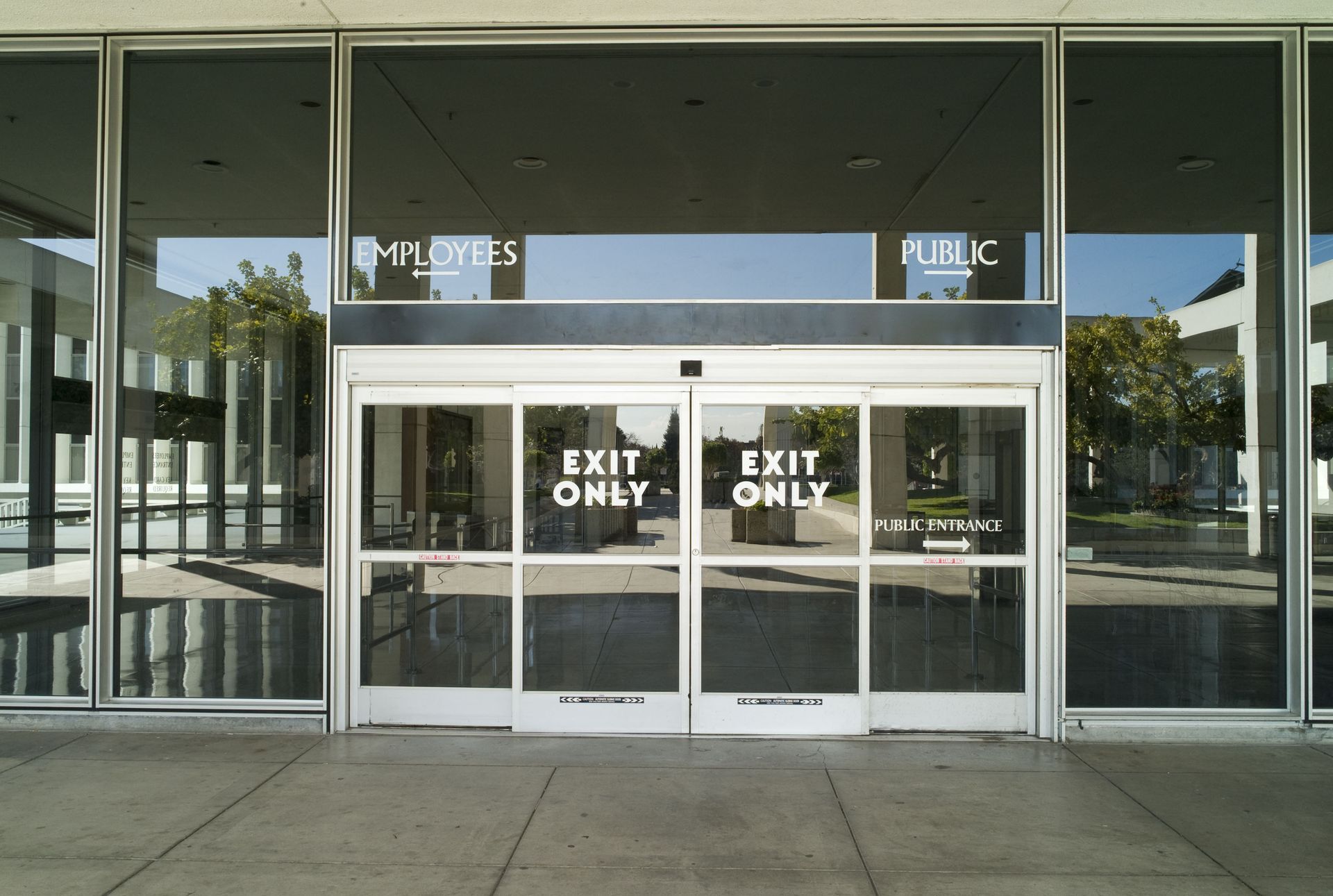
Automatic operators can make entrances easier to use for customers, employees, and visitors carrying packages or using mobility devices. These systems allow a door to open through sensors, push plates, or other controls, reducing the need for physical contact with handles. They can be particularly useful at healthcare facilities, retail locations, offices, schools, and other buildings with frequent pedestrian traffic. When properly selected and installed, automatic operators can improve convenience without requiring businesses to replace an entire entrance system.
Accessibility is another important reason to consider this upgrade. According to the ADA National Network, at least 60% of public entrances in newly constructed facilities are required to provide wheelchair accessibility. While accessibility requirements vary depending on the facility and project, businesses should evaluate whether existing entrances support convenient access for all users. Automatic commercial doors or operator systems can be part of a broader accessibility strategy when they are installed with appropriate clearances, controls, hardware, and opening forces.
2. Integrating Electronic Access Controls
Traditional keys remain useful, but electronic access systems give businesses greater control over who can enter restricted areas. Key cards, fobs, mobile credentials, keypads, and other electronic systems can be connected to specific doors so managers can assign or remove access without replacing locks. This can be valuable for offices, warehouses, healthcare facilities, schools, and other properties where access needs change as employees, vendors, or contractors come and go.
Integrating electronic controls with commercial doors can also create more detailed access records and simplify security management. Depending on the system, administrators may be able to review entry activity, restrict access by time of day, or deactivate lost credentials quickly. The appropriate configuration depends on the building's security needs, existing hardware, and network infrastructure. A professional can evaluate whether current doors and frames can support upgraded access hardware or require additional modifications.
3. Improving Insulated Door Construction
Exterior openings can affect indoor comfort because doors separate conditioned interior space from outdoor temperatures. Older doors with damaged seals, worn weather stripping, gaps, or limited insulation may allow unwanted heat transfer and air movement. Replacing them with insulated systems can improve the thermal performance of certain building openings, especially in warehouses, service facilities, loading areas, and other locations where large exterior doors are frequently used.
Modern commercial doors may incorporate insulated cores, improved perimeter seals, thermal breaks, and tighter-fitting components. The potential energy benefit varies based on the building design, climate, opening size, door usage, and existing insulation, so businesses should avoid assuming that a single upgrade will produce a specific level of savings. However, improving door condition and reducing obvious air leakage can support a broader effort to maintain more consistent indoor conditions.
4. Installing Touchless Entry Hardware
Touchless hardware continues to be useful in facilities where hygiene, convenience, and efficient movement are priorities. Motion sensors, wave-to-open switches, automatic operators, and other contact-reducing controls allow users to move through an opening without repeatedly touching handles or push bars. These features may be especially beneficial in medical buildings, restaurants, laboratories, restrooms, and high-traffic public spaces.
Touchless systems can also improve everyday usability when employees regularly carry equipment, supplies, or inventory. Rather than struggling to operate a door while their hands are full, workers can activate an opening more easily. Businesses considering this upgrade should evaluate traffic patterns, sensor placement, safety requirements, and compatibility with existing locking hardware. Proper setup helps prevent unintended activation while maintaining convenient access for intended users.
5. Upgrading High-Cycle Door Hardware
Some entrances and interior openings operate hundreds of times each day. Standard hinges, closers, locks, and other components may wear faster under those conditions, resulting in loose hardware, difficult operation, or repeated service needs. High-cycle components are designed for openings that experience frequent use and may provide greater durability when properly matched to the door's weight, size, and operating conditions.
Upgrading hardware on heavily used commercial doors can be particularly helpful in schools, hospitals, retail facilities, industrial buildings, and busy office environments. Heavy-duty hinges, closers, exit devices, and protective hardware can reduce stress on frequently operated openings. Businesses should also schedule routine inspections because even durable components require adjustment and maintenance. Correcting alignment issues early can help prevent unnecessary strain on frames, hinges, and locking mechanisms.
6. Strengthening Security Door Systems
Security remains a major consideration for exterior entrances, storage areas, equipment rooms, and other restricted locations. Businesses may choose to upgrade door construction, locking hardware, frames, glazing, or access systems based on the risks associated with each opening. Reinforced frames and properly selected locks can make a door more resistant to forced entry, while door position sensors can alert security systems when an opening is left unsecured.
Security upgrades should be planned as a complete system rather than focusing on one component. A strong lock provides limited benefit if the surrounding frame is damaged or improperly anchored. Likewise, reinforced commercial doors should still allow occupants to exit safely when required. A professional assessment can help identify weak points and recommend improvements that balance security with fire, life safety, accessibility, and operational requirements.
7. Modernizing Loading and Service Doors
Loading docks and service areas often experience demanding operating conditions. Doors may be exposed to forklifts, carts, weather, repeated cycles, and accidental impact. Businesses with aging overhead, rolling, or sectional systems may benefit from replacing damaged panels, upgrading operators, improving safety devices, or installing doors designed for higher-cycle environments. These improvements can make loading areas more dependable and reduce interruptions caused by malfunctioning equipment.
Modern service door systems may include improved controls, safety sensors, faster operating speeds, and more durable materials. Facilities that move temperature-sensitive products may also benefit from better seals or insulated construction. When evaluating an upgrade, businesses should consider opening dimensions, cycle frequency, vehicle traffic, environmental exposure, and workflow. Selecting equipment around actual operating conditions can provide better long-term performance than simply replacing an old system with a similar model.
8. Enhancing Visibility and Exterior Design
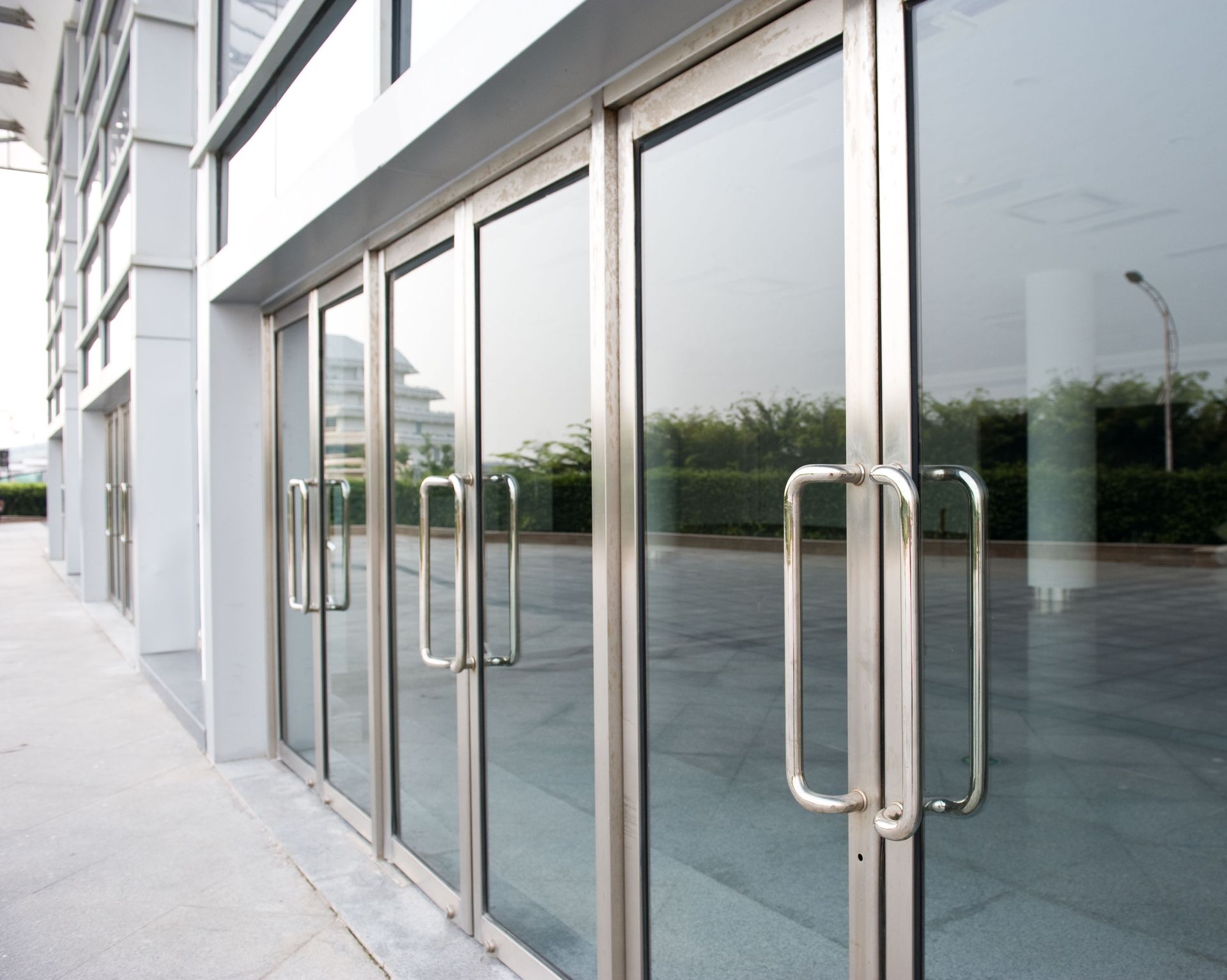
Doors contribute to the appearance of a commercial building, particularly at customer-facing entrances. Aging finishes, scratched surfaces, cloudy glazing, and outdated designs can make an otherwise maintained property appear neglected. Upgrading entrance systems can create a cleaner appearance while allowing businesses to coordinate door finishes, glass, handles, and frames with the rest of the building's exterior.
Visibility can also improve function. Glass panels or vision Lites may help employees and visitors see approaching traffic on the opposite side of an opening, reducing unexpected collisions in certain environments. New commercial doors can incorporate glazing, durable finishes, custom hardware, and other design features while still addressing security and accessibility needs. Businesses should select materials based on exposure, traffic, maintenance expectations, and the overall character of the property.
Commercial door upgrades in 2026 can address far more than appearance. Automatic operators can improve accessibility, electronic access controls can simplify security management, insulated systems can support building performance, and high-cycle hardware can better handle frequent use. Touchless controls, reinforced security features, upgraded service doors, and refreshed entrance designs can also help properties respond to changing operational demands. The right improvements depend on the age and condition of existing equipment, building use, traffic patterns, accessibility needs, and long-term maintenance goals. Rather than waiting for an outdated or damaged door system to interfere with daily operations, businesses can evaluate high-use openings and prioritize improvements that provide practical value. For professional guidance on selecting, installing, maintaining, or upgrading commercial doors, contact CAC Door Systems Co. today.




Share On: